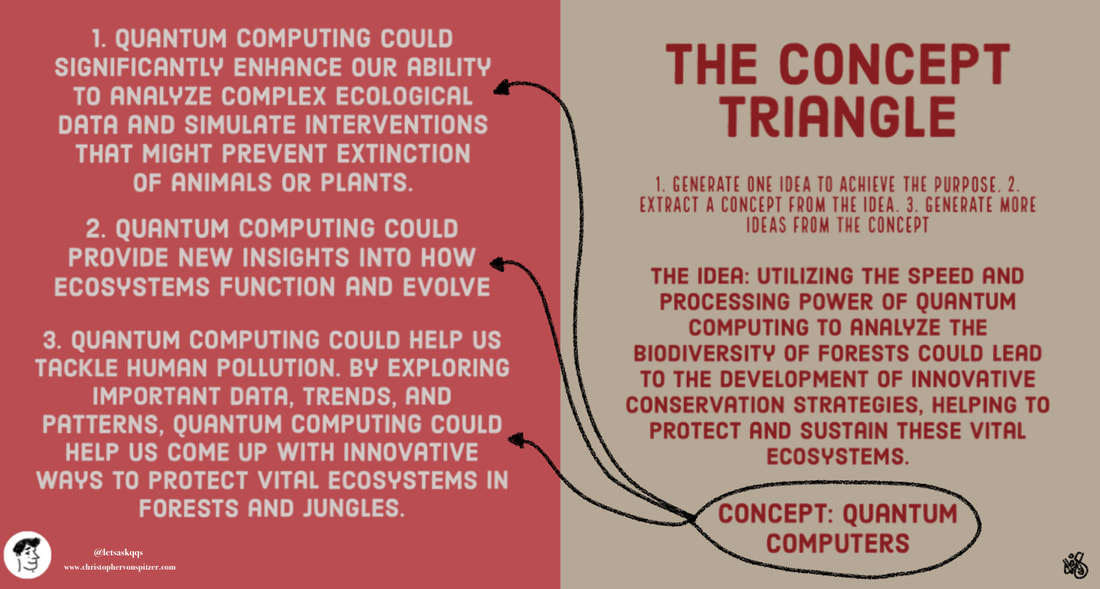
This VAW was created by Chris von Spitzer. www.christophervonspitzer.com X: @letsaskqqs This tool is a Lateral Thinking tool created by Dr. Edward de Bono
|
|
|
This VAW was created by Chris von Spitzer. www.christophervonspitzer.com X: @letsaskqqs This tool is a Lateral Thinking tool created by Dr. Edward de Bono 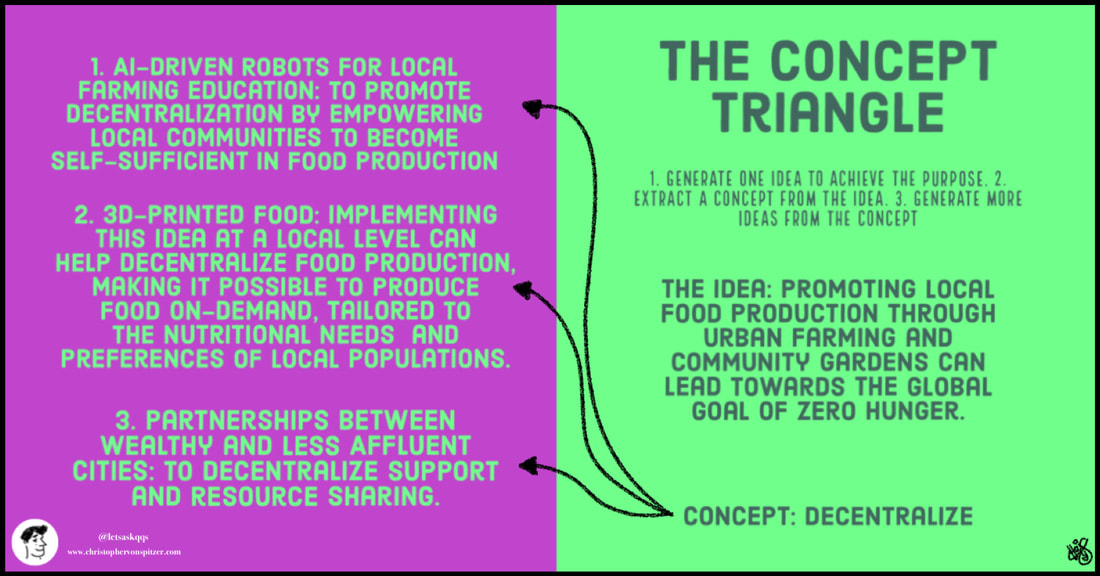 This VAW was created by Chris von Spitzer. www.christophervonspitzer.com X: @letsaskqqs This tool is a Lateral Thinking tool created by Dr. Edward de Bono  This VAW was created by Chris von Spitzer. www.christophervonspitzer.com X: @letsaskqqs This tool is a Lateral Thinking tool created by Dr. Edward de Bono 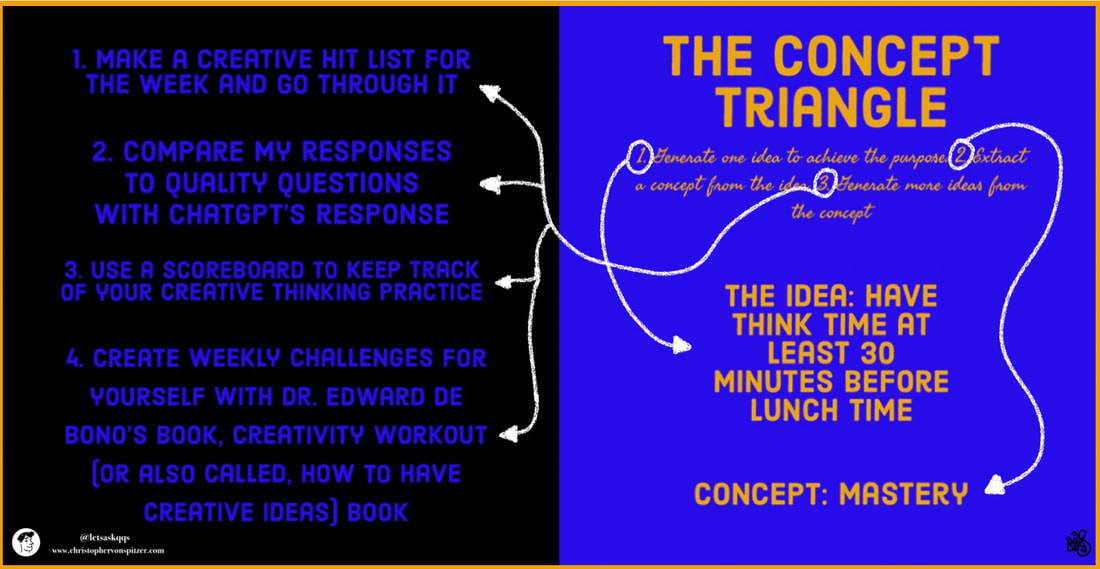 This VAW was created by Chris von Spitzer. www.christophervonspitzer.com X: @letsaskqqs This tool is a Lateral Thinking tool created by Dr. Edward de Bono 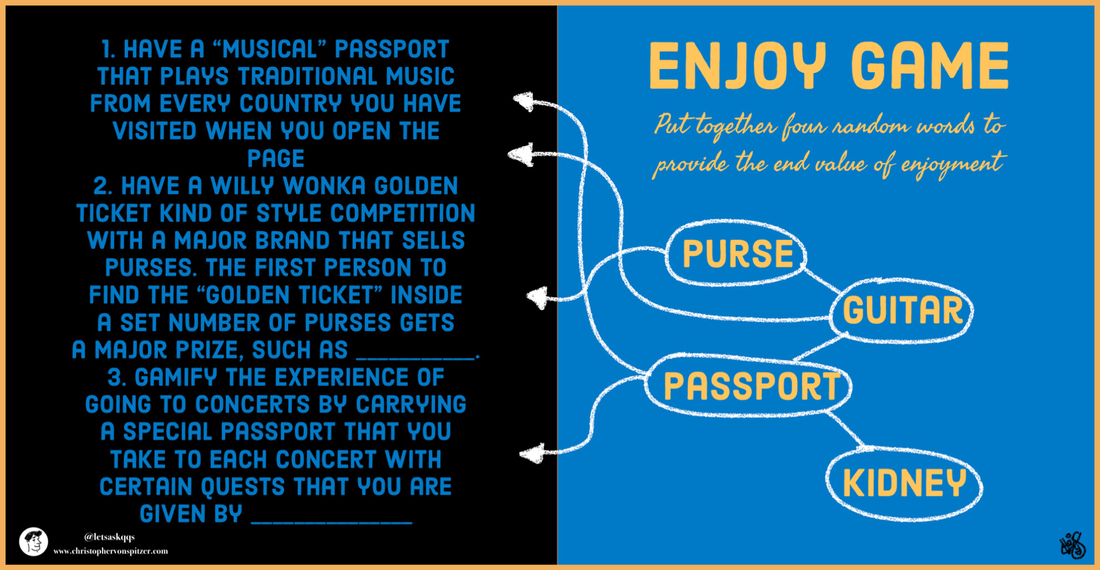 This VAW was created by Chris von Spitzer. www.christophervonspitzer.com X: @letsaskqqs This game can be found in the book: How to Have Creative Ideas by Edward de Bono 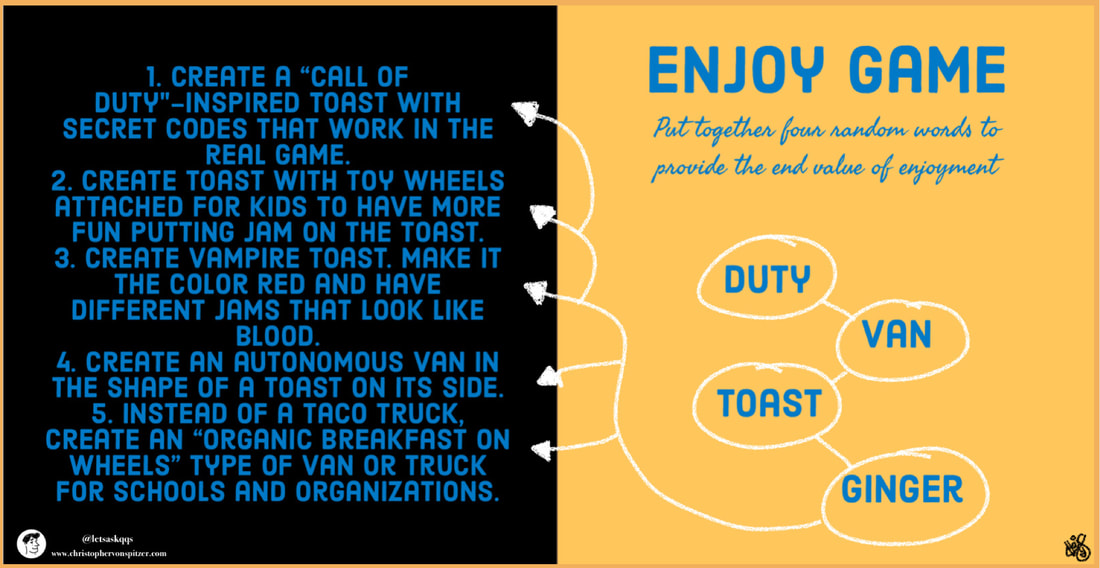 This VAW was created by Chris von Spitzer. www.christophervonspitzer.com X: @letsaskqqs This game can be found in the book: How to Have Creative Ideas by Edward de Bono  This VAW was created by Chris von Spitzer. www.christophervonspitzer.com X: @letsaskqqs  This VAW was created by Chris von Spitzer. www.christophervonspitzer.com X: @letsaskqqs  This VAW was created by Chris von Spitzer. www.christophervonspitzer.com X: @letsaskqqs  This VAW was created by Chris von Spitzer. www.christophervonspitzer.com X: @letsaskqqs |
VAWs
|

 RSS Feed

